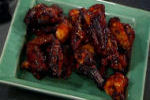
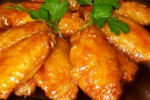
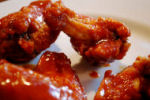
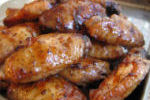
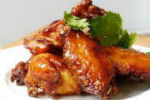
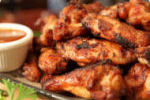
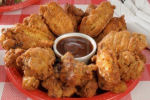
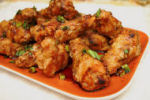
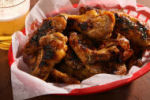
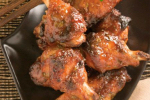
 "ONLY WITH BEER CAN CHICKEN TASTE GOOD"
Nur mit Bierdose Huhn schmecken
Seulement avec de la bière peut poulet bon goût
Sólo con la cerveza puede pollo buen sabor
Tylko z piwem kurczak może dobrze smakować
Solo con la birra il pollo può essere buono
Singha Beer: Thailand’s Iconic Premium Lager
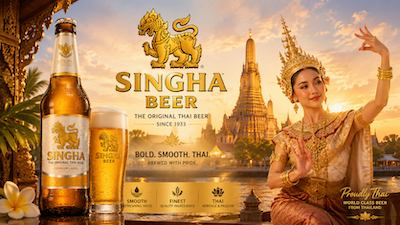 Singha Beer is one of Thailand’s most recognized and respected beer brands, known around the world for its crisp taste, smooth finish, and rich brewing heritage. First brewed in 1933 by Boon Rawd Brewery, Singha became Thailand’s first domestically produced beer and remains closely associated with Thai culture and hospitality. The beer is brewed as a premium pale lager using high-quality barley malt, hops, and crystal-clear water, giving it a balanced flavor profile that is both refreshing and full-bodied. Unlike many lighter Asian lagers, Singha offers a slightly richer malt character with subtle hop bitterness that adds depth without overwhelming the palate.
Beer vs. Ale: What’s the Difference?
For many people, the words “beer” and “ale” sound like two completely different drinks. In reality, ale is actually a type of beer. The main difference comes down to how the beverage is fermented, which affects flavor, aroma, texture, and even the drinking experience itself.
Beer: The Big Family
Beer is one of the world’s oldest beverages, brewed for thousands of years using four basic ingredients:
-
Water
-
Malted grains (usually barley)
-
Hops
-
Yeast
Within the beer family, there are two major categories:
-
Ales
-
Lagers
So when someone says they enjoy “beer,” they may actually be drinking either an ale or a lager.
Non-Alcoholic Beer: How It Compares to Regular Beer
Non-alcoholic beer has become one of the fastest-growing segments of the beverage industry in recent years. What was once considered a bland substitute for “real beer” has evolved into a category filled with flavorful lagers, stouts, wheat beers, and craft-style brews that closely resemble traditional alcoholic beer. Improvements in brewing technology have allowed companies to preserve hop aroma, malt complexity, and mouthfeel while removing or minimizing alcohol content. Industry analysts report that younger consumers, health-conscious drinkers, athletes, and people reducing alcohol intake are helping drive explosive growth in the NA beer market.
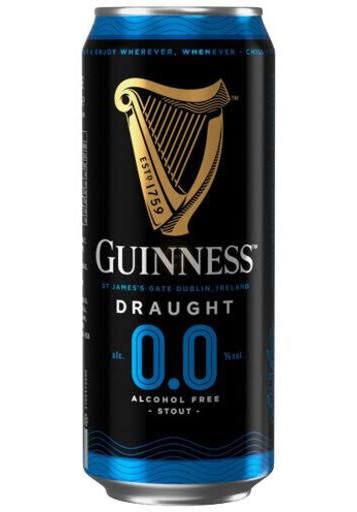
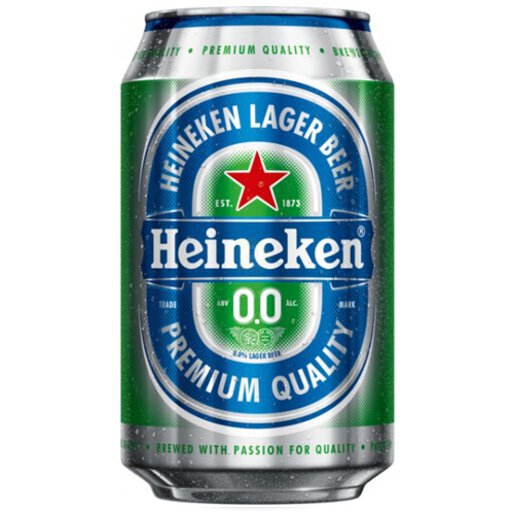
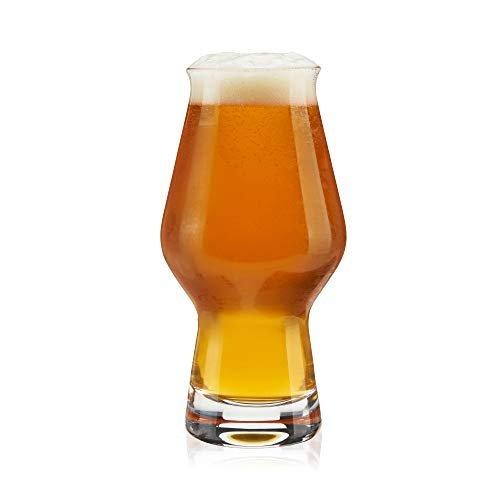
Modern non-alcoholic beers now compete directly with regular beer in taste and presentation. Many drinkers say certain NA beers are remarkably close to their alcoholic counterparts, especially brands like Guinness 0 and Heineken 0.0. Online beer communities frequently describe these products as “close enough” to the original versions that casual drinkers may barely notice the difference.
Read more: Non-Alcoholic Beer: How It Compares to Regular Beer
Songs That Feature Beer or Ale in the Lyrics
 Beer and ale have long been part of popular music, especially in country, folk, rock, and Irish traditional songs. Some songs celebrate drinking as part of friendship and working-class culture, while others use beer as a symbol of heartbreak, nostalgia, or escape. Over the decades, many artists have turned taverns, pints, whiskey glasses, and late-night barrooms into unforgettable songs that audiences still sing along with today.
One of the most famous beer-themed songs is Beer for My Horses by Toby Keith and Willie Nelson. Released in 2003, the song became a massive country hit and celebrated small-town values, old western imagery, and raising a beer with friends after hard work. The chorus became instantly recognizable and helped the song earn major radio success across the United States.
Best-Selling Non-IPA Beer Brands in the USA
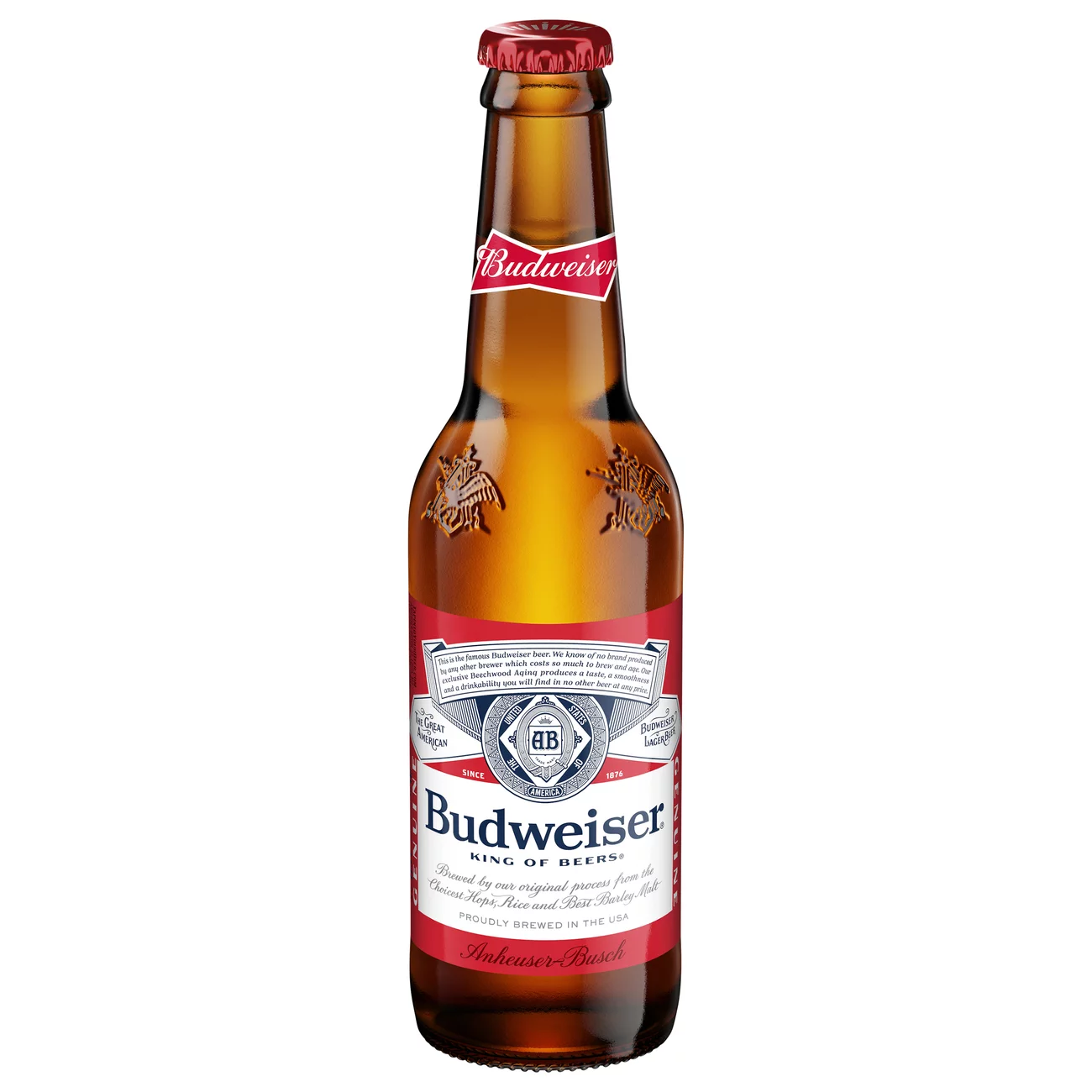
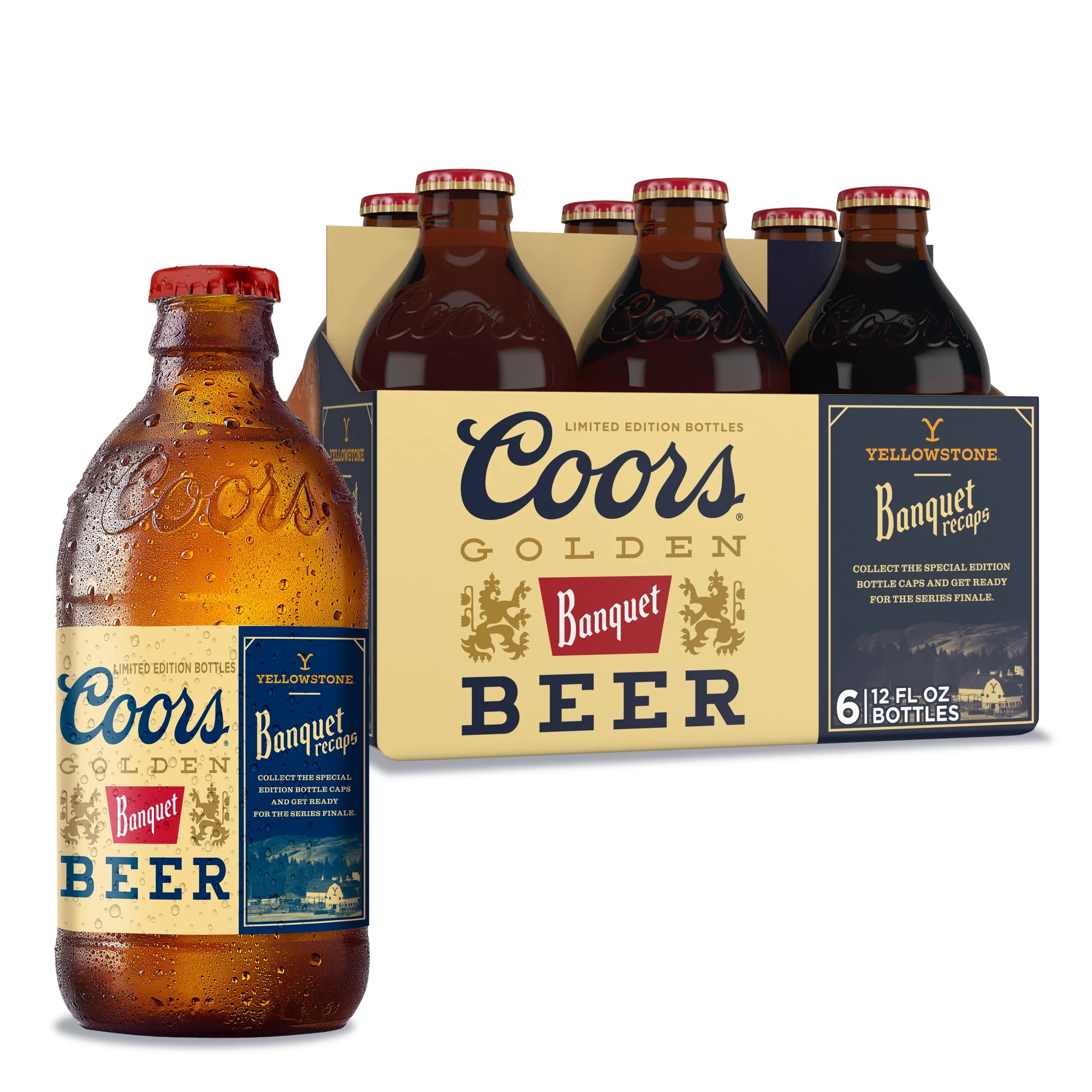
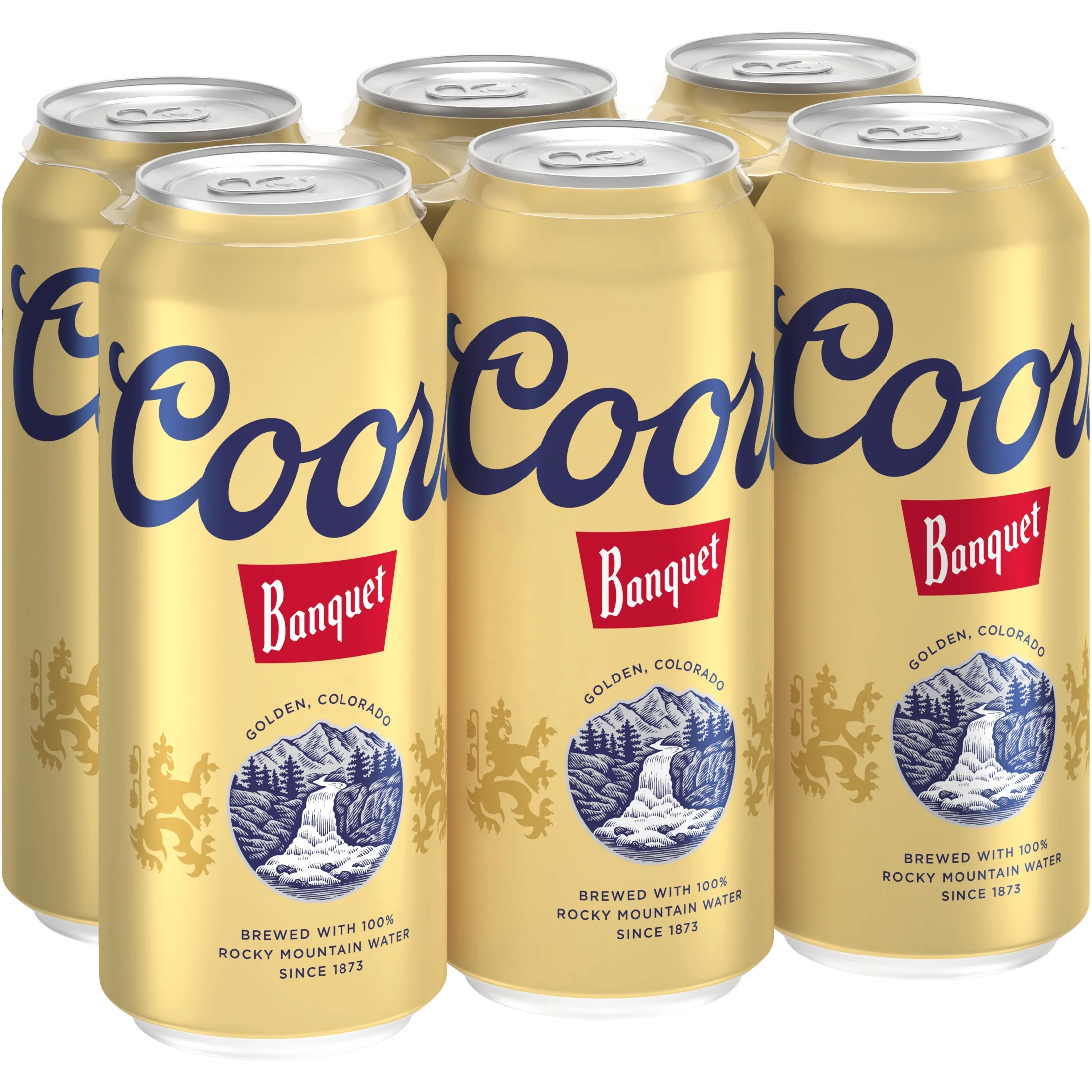
While India Pale Ales continue to dominate many craft beer conversations, America’s best-selling beers in 2025 showed that lagers, pilsners, amber beers, and light beers still rule the broader market. Consumers increasingly favored beers that were smooth, refreshing, easy to drink, and widely available. Classic American lagers, Mexican-style imports, and heritage amber lagers all remained top sellers across bars, restaurants, stadiums, and retail stores. Industry sales reports showed strong growth for lighter beers with broad appeal, especially among younger drinkers seeking lower bitterness and more approachable flavor profiles.
Top Selling Ales of 2025
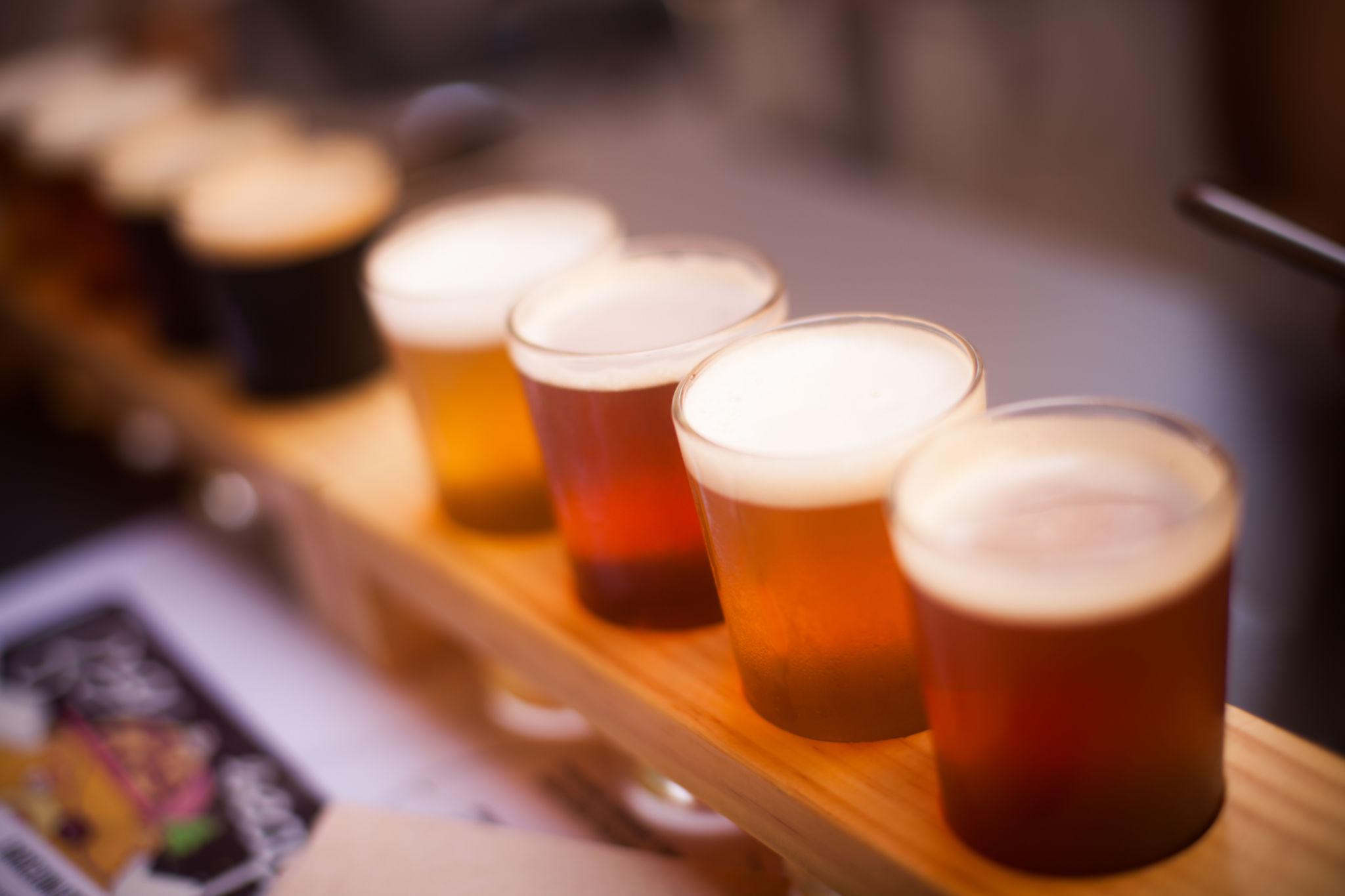
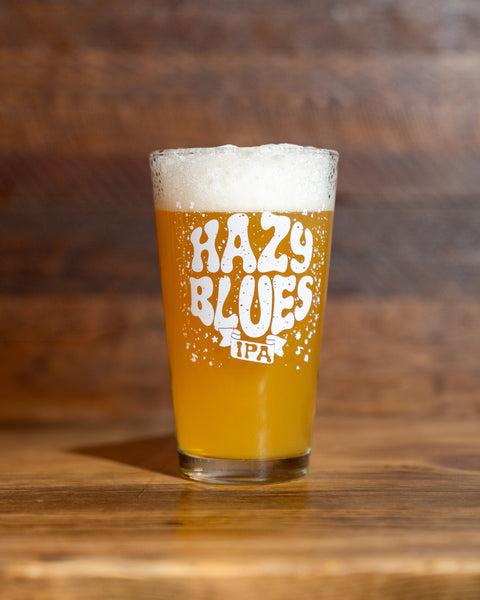
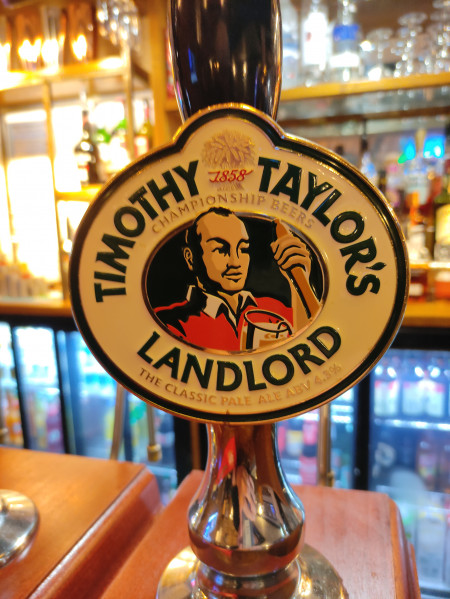
The ale market in 2025 reflected both changing consumer tastes and a renewed appreciation for classic brewing traditions. While lagers and ready-to-drink beverages continued to compete for shelf space, ales remained among the most popular beer categories worldwide. India Pale Ales (IPAs), hazy ales, golden ales, and traditional English bitters all posted strong sales figures throughout the year. Beer drinkers increasingly looked for flavorful yet approachable options, leading breweries to focus on balance, drinkability, and distinctive regional character. Industry reports from Britain and the United States showed that both modern craft styles and heritage ales enjoyed impressive growth during the year.
Page 1 of 3
Beer Types and Serving Suggestions
Here are some favorite common beers, with some food pairing and serving suggestions:
- Lager Smooth, light beer, slightly tangy
Fish, Hamburger, Curry Dishes - Pale Ale Light, slight fruity ale
Green Salads, Fish, Pork, Hamburger - Pilsner Light-bodied, mild malt beer with flowery aroma
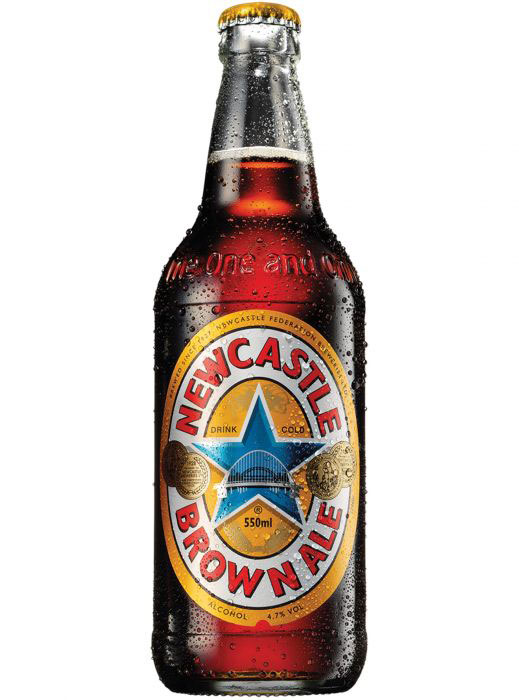
Light Soups, Pizza, Fish - Brown Ale Smooth, rounded beer with a nutty taste
Chicken, Salad, Pork - Bock Strong beer with caramel taste
Chicken, Game, Creamy Desserts, Lamb, Sausage - Porter Dark ale with a rich taste
Cheese, Beef, Barbeque, Fruity or Creamy Desserts - Stout Opaque, dry ale with a chocolate taste
Shellfish, Chocolates, Rich Desserts or Rich Meats
Some other tips:
Beer is a delicious aperitif. Choose a light beer to serve before a meal.
Serve pale beers with light soups and heavy, malty beers with stews.
Light beers are delicious with green salads and vegetable courses.
Serving a chocolate dessert? A rich, sweet, dark beer is the perfect match. Fruitier beers work well with fruit desserts.
A strong sweet beer is a nice digestif, with or without a separate dessert.
Wing Technique Videos
Wing Recipe Videos
Login Form
Most Viewed Recipes
- America's Best
- Braised Wings with Lemon and Chiles
- Sizzling Dijon Mustard Rubbed Wings
- New Orleans Wings
- Grill-Fried Chicken Wings
- Braised Wings with Coconut Curry Herb Sauce
- Dr. Pepper/Cola/Beer or Ale BBQ Chicken
- BBQ wings with Green Curry
- Braised "Red Cooked" Wings Shanghai Style
- BBQ Wings with Habanero-Strawberry Glaze
No Images